

Jogita Art Studio
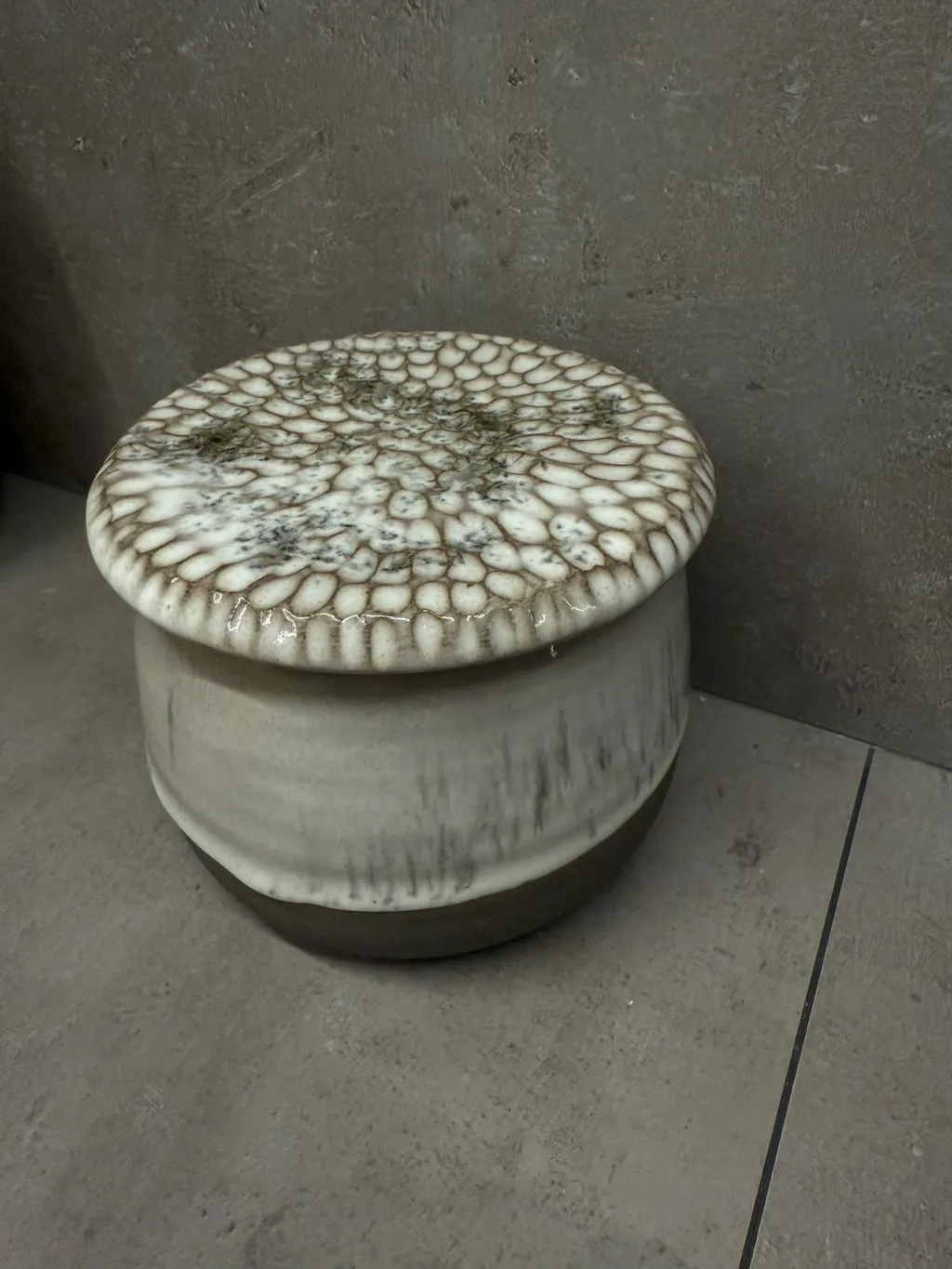
Butter Dish | Gray Speckled Stoneware | Textured Lid
Butter Dish | Gray Speckled Stoneware | Textured Lid
Safe Journey Guarantee — carefully packed & insured for worldwide delivery
Free shipping over 60€
Ships from Latvia, EU — customs fees may apply depending on your country
Couldn't load pickup availability

Alert me if this item is restocked.
We often restock popular items or they may be returned by the other customers. If you would like to be notified when this happens just enter your details below.
Butter Dish | Gray Speckled Stoneware | Textured Lid
We respect your privacy and don't share your email with anybody.
Alert me if this item is restocked
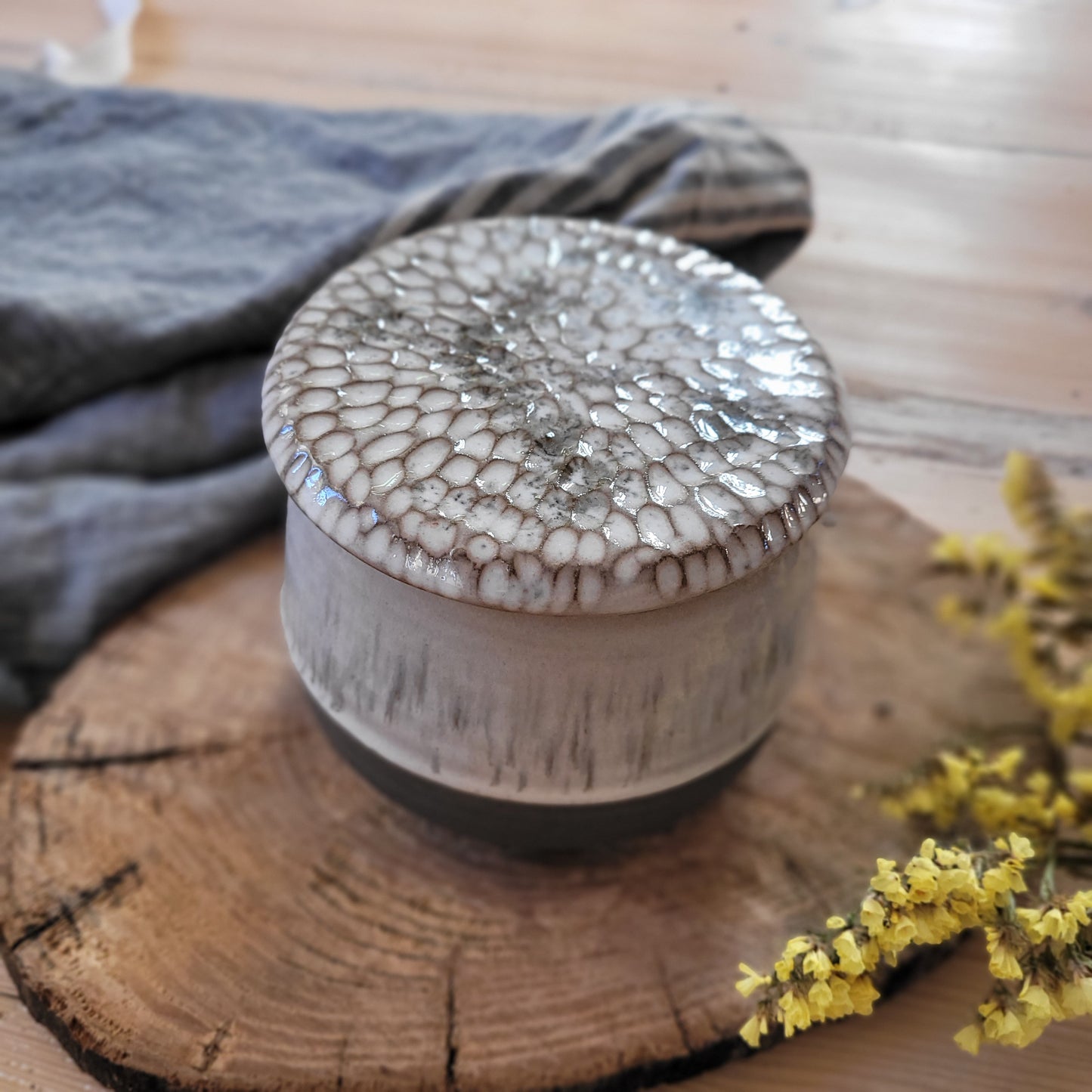
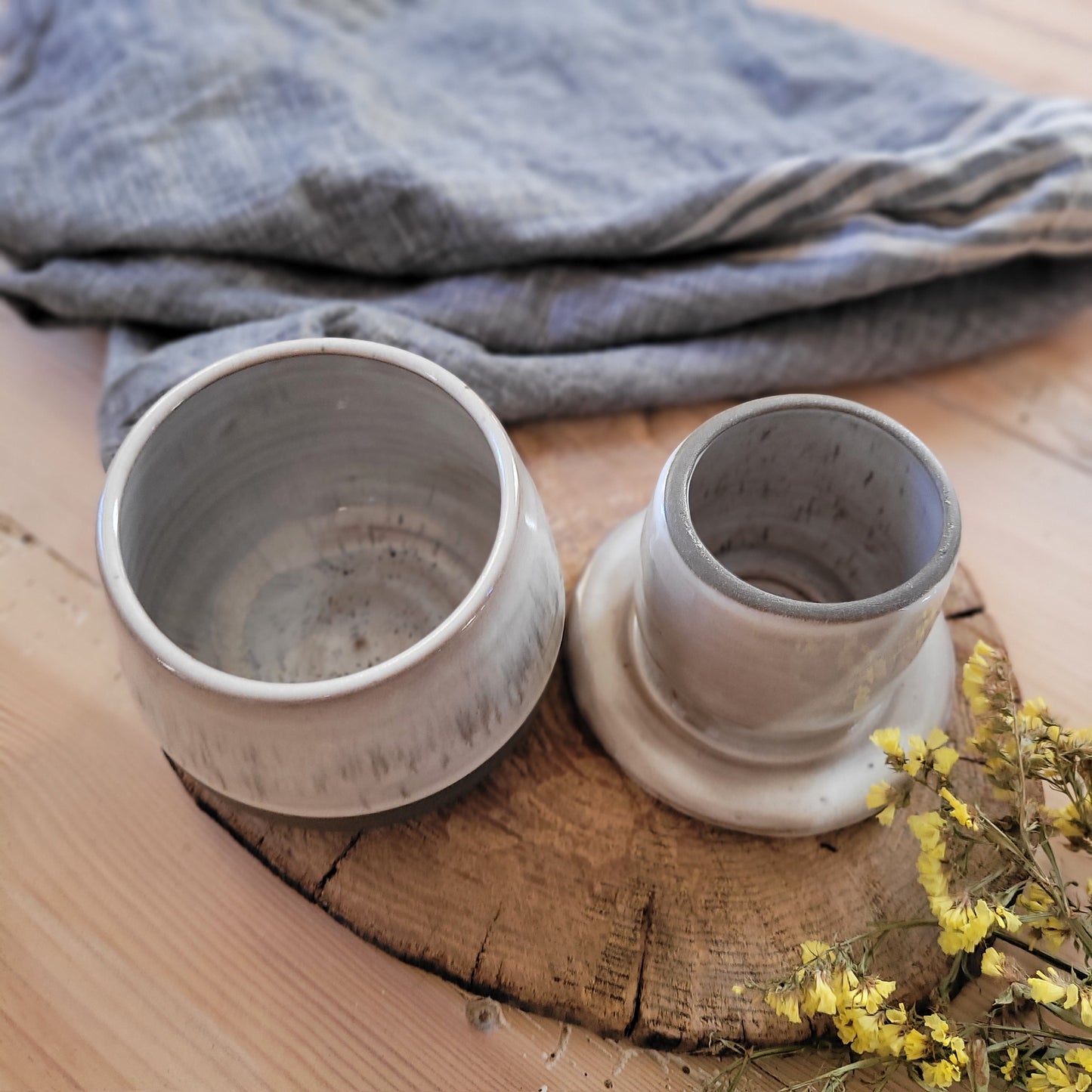
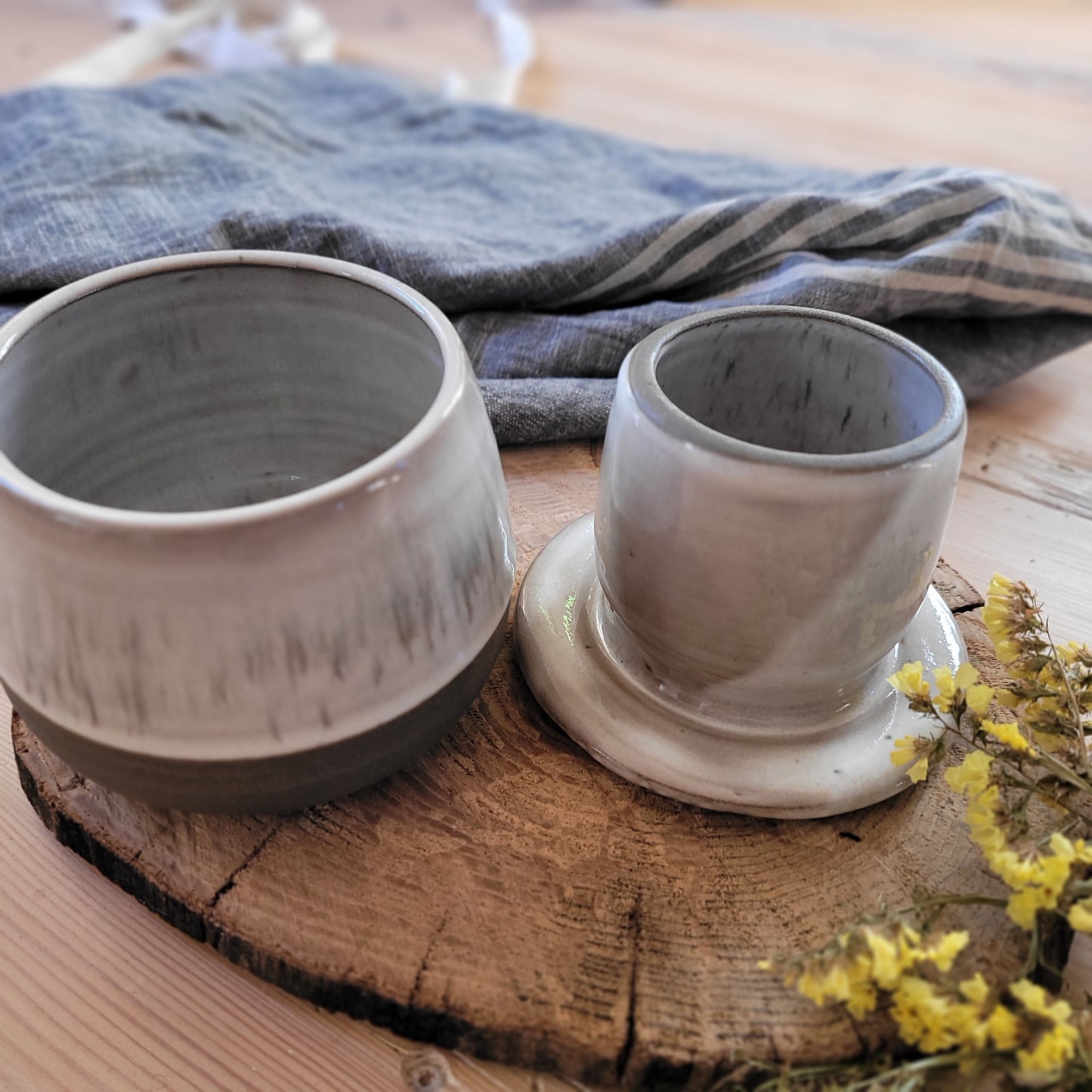
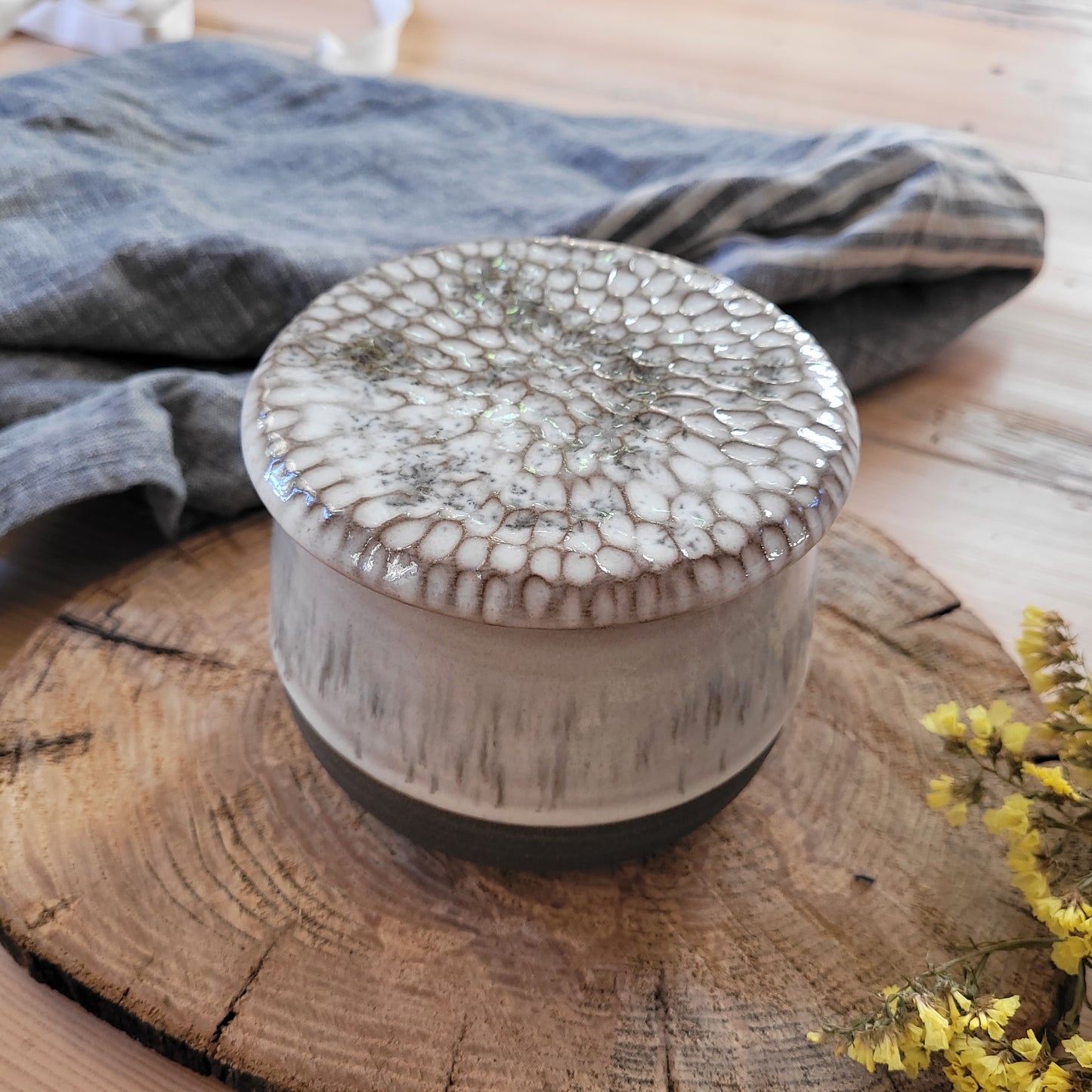
Embrace the French tradition of perfectly spreadable butter with this charming crock, featuring a captivating matte milkwhite glaze with black speckles. Each piece is handcrafted, ensuring a unique touch to your kitchen.
Effortless Spreadable Butter:
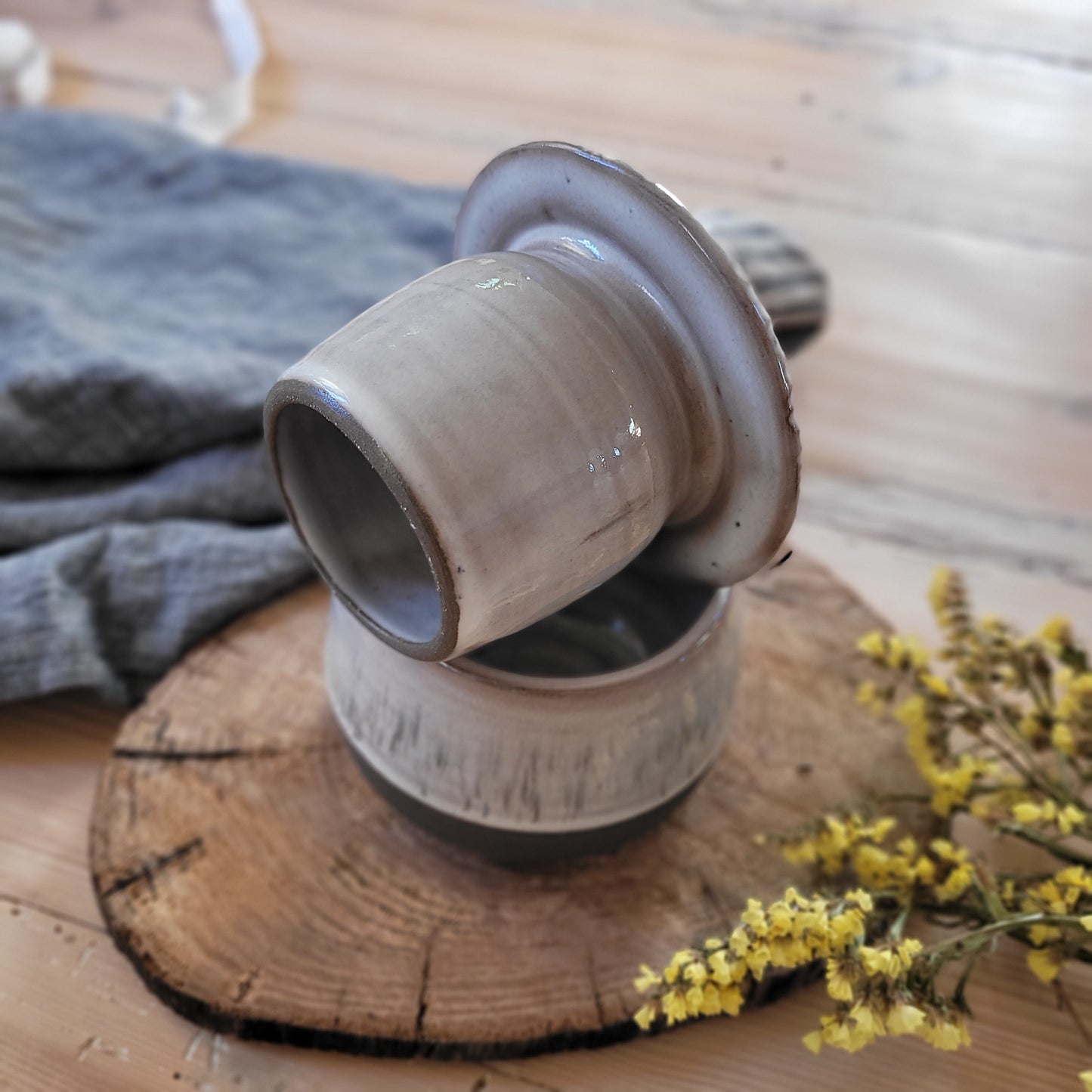
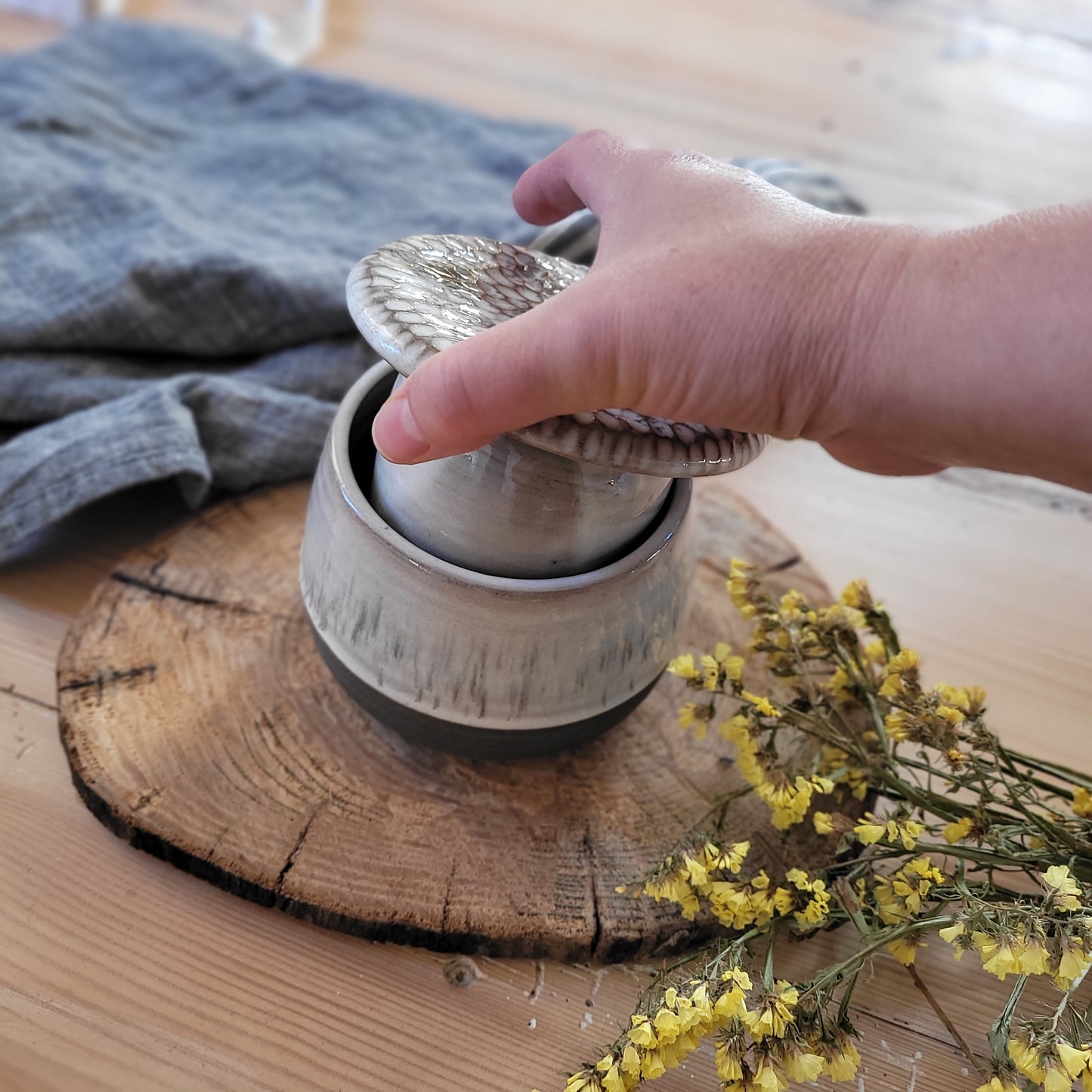
- Simply add softened butter to the lid and fill the base with 1/4 cup of filtered water.
- Replace the lid for fresh, spreadable butter anytime!
- Flip the lid when serving, transforming it into a convenient serving dish.
- Wash between each stick of butter.
Functional and Convenient:
- Dishwasher and microwave safe for easy cleaning.
- Crafted with care, each piece is unique with slight variations.
- Pinholes and slight glaze variations add to the handcrafted charm.
More than just a butter crock:
- Water creates an airtight seal, keeping butter fresh and ready for toast, muffins, and more.
- No more waiting for softened butter or microwave meltdowns - enjoy perfect spreadability anytime!
- Refresh with clean water every few days for optimal results.
Add a touch of French flair and enjoy the convenience of always-spreadable butter with this unique crock. Order yours today!
Frequently Asked Questions
How does a French butter dish work?
I love butter soft and spreadable — my husband is happy eating it hard, straight from the fridge, but that's never been my way. This little crock solves it: you press soft butter up into the lid, then set it into a base with a bit of water. The water forms a seal around the rim, keeping air away from the butter, so it stays fresh and spreadable right on the counter — no fridge needed.
How often should I change the water, and how do I stop it from getting moldy?
Regularly — and I like to add a pinch of salt to the water, since salt acts as a natural preservative and keeps bacteria from building up. Between the salt and fresh water, mold really isn't something you need to worry about.
Is it safe to leave butter out at room temperature in this dish?
Yes. The water forms a barrier that keeps air away from the butter, so it doesn't oxidize or turn rancid the way it does in a plain, uncovered dish left out on the counter. That's exactly the problem this design was made to solve.
How much water do I put in the base?
Just enough to cover the bottom of the base — that's all it takes to create the seal.
Materials
Materials
Shipping
Shipping
FAQ
FAQ
How does a French butter dish work?
I love butter soft and spreadable - my husband is happy eating it hard, straight from the fridge, but that's never been my way. This little crock solves it: you press soft butter up into the lid, then set it into a base with a bit of water. The water forms a seal around the rim, keeping air away from the butter, so it stays fresh and spreadable right on the counter - no fridge needed.
How often should I change the water, and how do I stop it from getting moldy?
Regularly - and I like to add a pinch of salt to the water, since salt acts as a natural preservative and keeps bacteria from building up. Between the salt and fresh water, mold really isn't something you need to worry about.
Is it safe to leave butter out at room temperature in this dish?
Yes. The water forms a barrier that keeps air away from the butter, so it doesn't oxidize or turn rancid the way it does in a plain, uncovered dish left out on the counter. That's exactly the problem this design was made to solve.
How long does butter stay fresh in a French butter dish?
Honestly, in my own kitchen it never lasts long enough to find out - we go through it too quickly! What I can tell you is that between the water seal and a little salt, it stays fresh well past what an open dish on the counter ever could.
Do I still need to refrigerate my butter?
In our house, yes - but that's because we like our butter two different ways. My husband prefers it firm and cold for cooking, straight from the fridge. For spreading on bread, though, it's always from the butter dish on the counter.
What's the difference between a French butter dish and a regular butter dish - which should I choose?
I actually make both, so I wouldn't say either is better - they just do different jobs. A regular dish is more versatile; you can keep cheese or other things in it too. But if it's butter you're storing outside the fridge, it will spoil noticeably faster in a plain dish than in a French butter dish, where the water keeps the air out.
How do I use it for the first time - any tips?
Let your butter come to room temperature first so it's properly soft, then press it into the lid firmly, working out any air pockets as you go - I wouldn't soften it in the microwave, as that can keep it from holding its shape once it's in place. On some of my designs, I shape the inside of the lid with a slight inward curve specifically to help hold the butter in place. One thing I learned myself: I tried salted butter once and it slipped right out, so now I'd rather salt the water than the butter - salted butter is lovely on its own, just not what I'd pack into the dish.
How much water do I put in the base?
Just enough to cover the bottom of the base - that's all it takes to create the seal.
Should I use salted or unsalted butter?
Either is fine for eating, but for the dish itself, I'd keep the butter unsalted and add a pinch of salt to the water instead - it does the preserving job without changing how the butter sits in place. I did try salted butter in the dish myself once, and it slipped right out - I'm honestly not sure if the salt was to blame, but it's the one time it happened to me. Try it yourself and see how it goes!
Is it dishwasher safe?
It won't come to any harm in the dishwasher. But since each piece is handmade, I'd recommend washing it by hand when you can - it's a small habit that helps it stay beautiful for longer.
What size should I buy?
My dishes are shaped to hold a standard butter package, around 180-200 g, so you shouldn't need to think too hard about it - just unwrap and press it in.
Is a French butter dish actually worth it?
Yes - since I started using mine, my sandwiches simply taste better. Butter that's always soft and ready to spread makes an ordinary slice of bread feel a little more like a treat.
Is a butter dish a good housewarming or hostess gift?
I think so - it's a small, useful piece that's also lovely to look at, which makes it easy to give without overthinking it. It's not meant to sit behind glass; I love the idea of it becoming part of someone's morning, right from the first breakfast in their new home.
Where does the French butter dish tradition come from?
I've dreamed of visiting Provence for years - everything about France and its slow, unhurried way of living just charms me. I've always loved culinary traditions from around the world too, and let's be honest, anything with "French" in the name already sounds delicious! When I discovered this traditional French butter dish, with its clever water-seal method, I fell in love completely. It lets me keep butter right on the counter at room temperature - always soft, fresh, and ready to spread on warm bread, no fridge needed. When I shape these dishes on the wheel, what matters to me is bringing that old French kitchen wisdom together with the handmade warmth of my own studio.
Customer Reviews
I’m very happy with the French butter dish. It’s a high-quality product with thick walls, and it works like a charm. The item was shipped quickly and packaged safely.
Ļoti skaists darbs. Lieliski saskan ar virtuvi. Sviests vienmēr mīksts. Paldies